
ISACA Certifications Aren't What You Think. Prepare.
ISACA Certifications present a robust framework for professionals dedicated to information systems audit, governance, security, and risk management. These credentials, offered by ISACA, validate critical expertise demanded by today's complex digital landscape, empowering individuals to safeguard organizational assets and ensure operational resilience. This article delves into the true depth and value of these certifications, highlighting their relevance for career progression, effective preparation strategies, and how they truly prepare candidates for real-world challenges. It aims to demystify the preparation journey and provide insights into maximizing the return on investment for those pursuing an ISACA credential.
Unpacking the Core Value of ISACA Credentials
Achieving an ISACA certification signifies more than just passing an exam; it represents a profound commitment to professional excellence and adherence to global standards. These credentials are foundational for roles demanding expertise in areas such as IT governance, information security, and risk management. They equip professionals with the methodologies and frameworks to implement, manage, and audit information systems effectively, ensuring organizational objectives are met while mitigating inherent risks. The recognition associated with ISACA certifications elevates a professional's standing, offering a distinct competitive advantage in the job market.
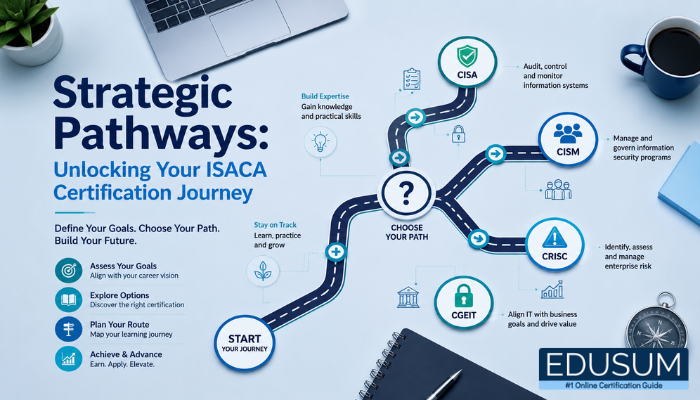
Strategic Pathways with ISACA Certifications
ISACA offers a diverse portfolio of certifications, each tailored to specific roles and responsibilities within the information technology and business landscape. Understanding these pathways is crucial for aligning your professional development with your career aspirations. Whether your focus is on auditing, security, governance, or risk, ISACA provides a structured approach to credentialing that supports continuous learning and specialization. These pathways are designed to validate a broad spectrum of skills, from foundational knowledge to advanced strategic capabilities.
-
CISA (Certified Information Systems Auditor): Ideal for professionals involved in information systems auditing, control, and security. It validates the ability to assess vulnerabilities, report on compliance, and institute controls.
-
CISM (Certified Information Security Manager): Targets experienced information security managers and those with management responsibilities. It focuses on governance, program development, incident management, and risk management.
-
CRISC (Certified in Risk and Information Systems Control): For professionals who manage IT risk and design, implement, monitor, and maintain IS controls. It emphasizes risk identification, assessment, response, and monitoring.
-
CGEIT (Certified in the Governance of Enterprise IT): Designed for IT governance professionals, consultants, and leaders. It validates expertise in the governance of enterprise IT, strategic alignment, value delivery, and resource management.
-
CDPSE (Certified Data Privacy Solutions Engineer): A technical certification for professionals who design, implement, and assess privacy solutions. It focuses on privacy governance, architecture, and lifecycle.
Each certification provides a distinct edge, allowing professionals to carve out a niche or broaden their expertise. Exploring the full range of options on the official credentialing page can help in making an informed decision about your next career step.
Recognizing Key Domains Validated by ISACA
The value of ISACA certifications lies in their comprehensive coverage of critical domains essential for a modern enterprise. These credentials validate not just theoretical knowledge but also the practical application of principles and techniques that directly impact business operations and resilience. Understanding these validated domains helps candidates appreciate the depth of learning involved and the direct relevance to their professional roles.
ISACA's certifications systematically address areas vital to an organization's digital health:
-
Information Systems Auditing Process: Professionals gain the skills to plan, execute, and report on audit engagements, ensuring the reliability and integrity of information systems.
-
IT Governance and Management: Focusing on how IT is directed, controlled, and supported to achieve organizational objectives and create business value.
-
Information Security Program Development and Management: Involves establishing and overseeing an information security program that protects information assets and manages risks effectively.
-
Information Systems Acquisition, Development, and Implementation: Covers the controls and processes necessary for ensuring that systems meet business needs, are secure, and are implemented efficiently.
-
Information Systems Operations, Maintenance, and Service Management: Deals with the ongoing management, delivery, and support of IT services and infrastructure.
-
Risk Management: The ability to identify, assess, evaluate, treat, and monitor IT-related risks, aligning with enterprise risk management strategies.
-
Data Privacy Design and Implementation: For CDPSE, this includes the ability to build and implement privacy-by-design principles into technology and business processes.
These domains collectively ensure that ISACA-certified professionals are well-rounded and capable of addressing the multifaceted challenges in information technology.
Navigating the Certification Selection Process
Choosing the right ISACA certification is a strategic decision that should align with your career goals, current role, and existing skill set. With multiple credentials on offer, identifying the most beneficial one requires careful consideration of what each certification validates and where you aim to specialize. A thoughtful approach ensures that the time and effort invested translates into tangible career growth and enhanced professional capabilities.
To make an informed choice:
-
Assess Your Current Role and Responsibilities: Determine which certification directly enhances your ability to perform your current job functions more effectively. For example, if you're an auditor, CISA is a clear fit.
-
Define Your Career Path: Consider where you want to be in the next 3-5 years. Do you aspire to a management role (CISM), a governance position (CGEIT), or a risk-focused specialty (CRISC)?
-
Evaluate Your Experience Level: Some ISACA certifications have experience requirements. Ensure you meet these or are on track to meet them.
-
Research Job Market Demand: Investigate which ISACA certifications are most sought after in your target industry or region.
-
Consult with Mentors and Peers: Gain insights from professionals who have already achieved ISACA certifications or are working in your desired field.
This structured approach helps clarify the optimal pathway for your professional development journey within the ISACA framework.
Effective Preparation Strategies for ISACA Exams
Success in ISACA certification exams demands a structured and disciplined preparation approach. Given the depth and breadth of the topics covered, relying solely on last-minute cramming is rarely effective. Instead, candidates should adopt comprehensive study strategies that emphasize understanding core concepts, applying knowledge, and consistent practice. Ethical preparation is paramount, focusing on genuine learning rather than shortcuts.
Key strategies include:
-
Understand the Exam Objectives: Thoroughly review the official exam content outline provided by ISACA. This acts as your roadmap, indicating the domains, sub-domains, and their respective weightings.
-
Utilize Official Study Resources: ISACA offers study guides, review manuals, and question databases specifically designed to prepare candidates. These resources are invaluable for grasping the official perspective and exam-relevant content.
-
Develop a Study Plan: Allocate dedicated time for study each week and stick to a schedule. Break down the content into manageable chunks and set realistic milestones.
-
Engage with Peer Groups: Joining study groups or online forums can provide different perspectives, clarify doubts, and offer motivation. Discussing concepts with others reinforces understanding.
-
Practice Regularly: Solve as many practice questions as possible. This helps in understanding the exam format, question types, and identifying areas where further study is needed.
By implementing these strategies, candidates can build a strong foundation of knowledge and confidence for their ISACA certification journey. For more insights on building a robust study plan, consider reviewing a comprehensive preparation blueprint.
Understanding the Rigor of ISACA Exam Formats
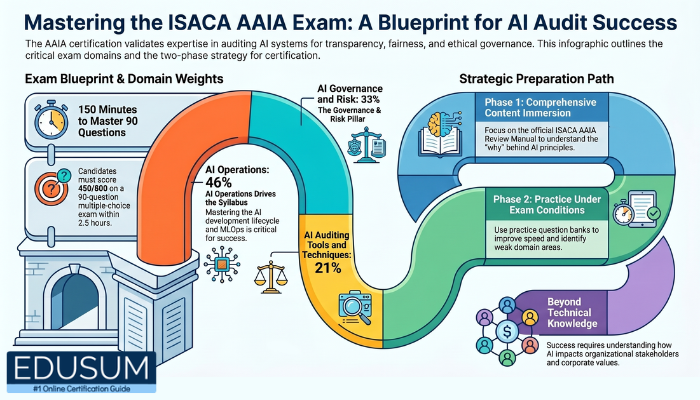
ISACA certifications are renowned for their challenging exam formats, designed to rigorously test a candidate's practical knowledge and critical thinking skills. Unlike simple memorization tests, ISACA exams often present scenario-based questions that require candidates to apply their understanding to real-world situations. This rigor ensures that certified professionals possess the ability to make informed decisions and provide valuable insights in their respective domains.
The typical ISACA exam format includes:
-
Multiple-Choice Questions: The primary format, often involving a scenario followed by several options, where only one is the best answer.
-
Time-Constrained Testing: Exams are usually 4 hours (240 minutes) long, requiring effective time management to answer all questions.
-
Adaptive Scoring: While the exact methodology is proprietary, candidates' performance is evaluated against a scaled score, with 450 being the passing mark on a 200-800 scale.
-
Focus on Best Practices: Questions often assess understanding of ISACA's body of knowledge, frameworks, and best practices rather than rote definitions.
-
English Language Requirement: Exams are typically offered in English, with additional languages available for some certifications.
Candidates should familiarize themselves with the style of questions and practice under timed conditions to build stamina and improve decision-making speed during the actual exam.
Boosting Your Career Trajectory with ISACA
An ISACA certification can significantly accelerate a professional's career trajectory, opening doors to advanced roles and leadership opportunities. The global recognition of these credentials demonstrates a commitment to maintaining high professional standards and possessing critical expertise, making certified individuals highly sought after by employers worldwide. Beyond mere job acquisition, ISACA certifications foster continuous professional development, ensuring long-term career growth.
The career advantages include:
-
Enhanced Credibility: ISACA credentials are a benchmark of excellence, affirming your expertise to employers, clients, and peers.
-
Increased Earning Potential: Studies consistently show that certified professionals often command higher salaries compared to their non-certified counterparts.
-
Access to Advanced Roles: Certifications like CISM or CGEIT position individuals for senior management, governance, and strategic leadership roles.
-
Expanded Professional Network: Joining the ISACA community connects you with a global network of experts, fostering collaboration and knowledge exchange.
-
Demonstrated Commitment to the Profession: Holding an ISACA certification showcases dedication to professional development and staying current with industry best practices.
These benefits collectively contribute to a robust and dynamic career path, solidifying a professional's standing in the information technology and business sectors. For further resources to aid your journey, refer to ISACA exam preparation materials.
Avoiding Common Pitfalls in ISACA Preparation
The path to ISACA certification is challenging, and many candidates encounter common obstacles that can hinder their progress or even lead to exam failure. Identifying and proactively addressing these pitfalls is crucial for a smooth and successful preparation journey. A strategic approach involves not just understanding the material but also managing the study process effectively and maintaining a positive mindset.
Common pitfalls to avoid include:
-
Underestimating the Exam's Difficulty: Many candidates assume their work experience alone is sufficient, neglecting a structured review of ISACA's specific frameworks and terminology.
-
Relying Solely on "Dumps": Using unauthorized exam questions (dumps) is unethical and counterproductive. It promotes rote memorization without true understanding, leading to failure and undermining the credential's value.
-
Neglecting Time Management: Failing to allocate sufficient study time or creating an unrealistic study schedule can lead to burnout or inadequate coverage of the syllabus.
-
Ignoring Practice Questions: Not regularly testing knowledge through practice exams prevents candidates from identifying weak areas and becoming familiar with the question style.
-
Isolated Studying: Avoiding study groups or peer discussions can lead to missed insights and a lack of motivation. External perspectives often clarify complex topics.
By being aware of these potential traps, candidates can navigate their preparation more efficiently and increase their chances of success.
Maximizing Your Study Resources for ISACA Exams
Effective preparation for ISACA certifications hinges on the judicious use of available study resources. With a plethora of materials at hand, it’s essential to select and integrate them strategically to build a comprehensive understanding of the exam domains. A multi-faceted approach, combining official guides with supplementary tools, often yields the best results.
Consider incorporating these resources into your study plan:
-
Official ISACA Review Manuals: These are the authoritative source for the Body of Knowledge and are indispensable.
-
ISACA Question & Answer Databases: Practice questions are crucial for testing understanding and becoming familiar with the exam's question style.
-
Online Courses and Bootcamps: Structured learning environments can provide guidance, deeper explanations, and interactive sessions.
-
Study Guides from Reputable Providers: Complementary guides can offer alternative explanations or summaries, aiding comprehension.
-
Practice Tests: Engaging with mock exams, such as those available on dedicated ISACA resources, allows you to simulate exam conditions, manage time effectively, and pinpoint knowledge gaps before the actual test.
The key is to use a variety of resources to reinforce concepts and ensure a holistic preparation experience.
Sustaining Professional Growth Beyond Certification
Earning an ISACA certification is a significant achievement, but it marks a milestone, not the end, of a professional's learning journey. The rapidly evolving landscape of information technology, cybersecurity, and governance necessitates continuous professional development to maintain relevance and expertise. ISACA actively supports this ongoing growth through various mechanisms, ensuring its certified members remain at the forefront of their fields.
Strategies for sustaining growth include:
-
Continuing Professional Education (CPE): ISACA requires its certificate holders to earn a certain number of CPE hours annually. This ensures professionals stay updated with the latest industry trends, technologies, and best practices.
-
Active Community Engagement: Participating in local ISACA chapters, online forums, and professional networks provides opportunities for knowledge sharing, mentorship, and staying connected with industry developments.
-
Pursuing Advanced Certifications: Building upon existing credentials by earning complementary ISACA or other industry certifications can deepen specialization or broaden expertise.
-
Attending Industry Conferences and Webinars: These events offer insights into emerging threats, innovative solutions, and regulatory changes, crucial for staying informed.
-
Contributing to the Profession: Sharing expertise through speaking engagements, writing articles, or mentoring new professionals not only reinforces your knowledge but also contributes to the wider community.
By embracing these avenues, ISACA-certified professionals can ensure their skills remain sharp, relevant, and impactful throughout their careers.
Assessing Your Readiness for ISACA Exams
Before scheduling an ISACA exam, it is vital to honestly assess your readiness. Rushing into the exam without sufficient preparation can lead to unnecessary costs and discouragement. A systematic evaluation of your knowledge, comfort with the exam format, and time management skills can provide a clear indication of whether you are truly prepared. This self-assessment is a critical step in maximizing your chances of success and building confidence.
Key steps for assessing readiness include:
-
Complete a Full-Length Practice Exam: Simulate actual exam conditions, including time limits and environment. This helps gauge your stamina and performance under pressure.
-
Review Performance Analytics: Analyze your scores across different domains. Identify specific areas where you consistently struggle, indicating knowledge gaps.
-
Evaluate Your Understanding vs. Memorization: Can you explain concepts in your own words, or are you just recalling definitions? True understanding is critical for scenario-based questions.
-
Time Management Check: During practice exams, monitor how much time you spend on each question. Are you able to complete the exam comfortably within the allocated time?
-
Consult Study Partners or Mentors: Discuss challenging topics with others. Their insights can help clarify complex areas and provide alternative perspectives.
An honest assessment helps you fine-tune your final preparation efforts, addressing weaknesses and reinforcing strengths.
The Broader Impact of ISACA Credentials
Beyond individual career advancement, ISACA certifications deliver significant value to organizations by strengthening their overall information systems and security posture. Certified professionals bring a standardized level of expertise, ensuring that best practices are applied, risks are effectively managed, and IT governance frameworks are robust. This broader impact translates into enhanced organizational resilience, compliance, and strategic alignment.
The organizational benefits are manifold:
-
Improved IT Governance: Certified individuals can implement and manage IT governance frameworks that align with business objectives and regulatory requirements.
-
Enhanced Security Posture: Expertise in information security management and auditing directly contributes to stronger defenses against cyber threats and data breaches.
-
Better Risk Management: CRISC-certified professionals help organizations identify, assess, and mitigate IT-related risks, protecting critical assets.
-
Regulatory Compliance: ISACA certifications instill the knowledge needed to navigate complex regulatory landscapes, reducing compliance risks and penalties.
-
Increased Stakeholder Confidence: Having ISACA-certified staff signals to customers, investors, and regulators that the organization takes its information assets and controls seriously.
Ultimately, investing in ISACA-certified talent fosters a culture of security, integrity, and operational excellence within the enterprise.
Preparing for Exam Day Success
The day of the ISACA exam can be stressful, but careful planning and a calm demeanor can significantly contribute to your performance. Beyond intellectual preparation, logistical and mental readiness play a crucial role in ensuring you can fully demonstrate your knowledge and skills. A few simple steps can help minimize anxiety and optimize your focus when it matters most.
Consider these tips for exam day:
-
Confirm Logistics: Double-check the exam location, time, and required identification documents well in advance. Plan your commute to arrive early.
-
Get Adequate Rest: Ensure you have a good night's sleep before the exam. A well-rested mind performs better under pressure.
-
Eat a Healthy Meal: Have a balanced meal that sustains your energy without making you feel sluggish. Avoid heavy foods or excessive caffeine.
-
Manage Time Strategically: During the exam, keep an eye on the clock. Allocate a specific amount of time per question and stick to it. If you're stuck, mark the question and move on.
-
Read Questions Carefully: Pay close attention to keywords like "not," "except," "best," or "most." Misinterpreting a question can lead to incorrect answers.
-
Stay Calm and Focused: If you feel overwhelmed, take a brief moment to breathe deeply. Trust in your preparation and focus on one question at a time.
Approaching exam day with a clear mind and an organized strategy can make a significant difference in your performance.
Cultivating a Continuous Learning Mindset
The pace of technological change means that knowledge acquired today may be outdated tomorrow. For professionals in IT governance, security, and audit, cultivating a continuous learning mindset is not just beneficial but essential. ISACA certifications reinforce this principle by requiring ongoing professional education, but the true value comes from an internal drive to always seek new knowledge and adapt to evolving challenges.
Embracing lifelong learning involves:
-
Staying Curious: Actively seeking out new information, technologies, and methodologies in your field.
-
Seeking Feedback: Being open to constructive criticism and using it as an opportunity to improve skills and knowledge.
-
Experimenting with New Tools and Techniques: Hands-on experience with emerging technologies solidifies theoretical understanding.
-
Reading Industry Publications: Regularly consuming articles, research papers, and reports keeps you informed of trends and best practices.
-
Mentoring Others: Teaching or guiding less experienced professionals often deepens your own understanding of concepts.
This proactive approach to learning ensures that ISACA professionals remain relevant, highly skilled, and capable of addressing future challenges.
Overcoming Exam Anxiety and Building Confidence
Exam anxiety is a common experience, but it doesn't have to derail your ISACA certification aspirations. While a certain level of pressure can be motivating, excessive anxiety can impair performance. Building confidence is about more than just knowing the material; it involves developing effective coping mechanisms and fostering a positive mental attitude throughout your preparation.
Strategies for managing anxiety and boosting confidence include:
-
Thorough Preparation: The single most effective way to reduce anxiety is to be well-prepared. A comprehensive study builds a strong foundation of knowledge, which in turn fosters confidence.
-
Positive Visualization: Regularly visualize yourself completing the exam and achieving your certification. Positive mental imagery can reduce stress.
-
Stress Reduction Techniques: Incorporate mindfulness, meditation, or light exercise into your routine. These activities can help manage stress levels during intense study periods.
-
Simulate Exam Conditions: Practice under conditions that mimic the actual exam. This familiarizes you with the environment and reduces surprises on exam day.
-
Focus on Progress, Not Perfection: Acknowledge your learning achievements. Celebrate small victories and view setbacks as learning opportunities rather than failures.
-
Maintain a Balanced Lifestyle: Ensure you are eating well, getting enough sleep, and taking breaks. Burnout exacerbates anxiety.
By proactively addressing anxiety and focusing on building genuine confidence, you can approach your ISACA exam with a calm and focused mindset.
Exploring Specialization within the ISACA Ecosystem
The ISACA credentialing framework is not static; it continually evolves to address emerging challenges and opportunities within the information and technology landscape. Professionals can leverage this ecosystem to pursue deeper specialization, tailoring their expertise to niche areas that are increasingly critical for organizations. This ability to specialize ensures that ISACA professionals remain invaluable assets in a rapidly changing world.
Areas of advanced specialization include:
-
Cybersecurity Auditing: Building on CISA foundations, professionals can focus on advanced techniques for auditing cybersecurity controls and programs.
-
Cloud Security Governance: With the proliferation of cloud computing, specializing in the governance and security of cloud environments becomes paramount.
-
DevSecOps Controls: Integrating security controls into the DevOps pipeline, ensuring security by design rather than as an afterthought.
-
Critical Infrastructure Protection: Focusing on the unique security and resilience challenges of critical national infrastructure.
-
Digital Trust and Emerging Technologies: Exploring the implications of AI, blockchain, and IoT on governance, security, and audit, and how to build trust in these new paradigms.
By continuously exploring these specialized areas, ISACA-certified individuals can enhance their impact and stay at the forefront of innovation and risk mitigation.
Frequently Asked Questions
Q.1. What types of roles benefit most from ISACA Certifications?
Ans. Roles in information systems auditing, IT governance, information security management, risk management, and data privacy highly benefit. This includes auditors, security managers, risk professionals, privacy engineers, and IT consultants who need to validate their expertise against global standards.
Q.2. How long does it typically take to prepare for an ISACA exam?
Ans. Preparation time varies greatly depending on prior experience, the specific certification, and daily study commitment. Most candidates report needing 80-200 hours of dedicated study over 2-4 months. Consistent, disciplined study is more effective than last-minute cramming.
Q.3. Are ISACA certifications globally recognized?
Ans. Yes, ISACA certifications are globally recognized and respected across various industries. They are a benchmark for professionals in information systems audit, control, governance, and security, enhancing career opportunities worldwide.
Q.4. What is the importance of Continuing Professional Education (CPE) for ISACA certifications?
Ans. CPE is mandatory for maintaining ISACA certifications. It ensures that certified professionals stay current with the rapidly evolving fields of IT governance, security, and audit. Earning CPE hours demonstrates a commitment to lifelong learning and professional relevance.
Q.5. Should I use practice tests as part of my ISACA exam preparation?
Ans. Yes, practice tests are highly recommended. They help familiarize candidates with the exam format, question types, and time constraints. They are invaluable for identifying knowledge gaps, reinforcing understanding, and building confidence before the actual exam.
Conclusion
ISACA Certifications are rigorous, comprehensive, and ultimately transformative for professionals in information systems, governance, security, and risk. They demand diligent preparation but offer unparalleled recognition and career advancement opportunities. Far from being merely academic exercises, these credentials validate real-world capabilities, ensuring that certified individuals are equipped to address the most pressing challenges facing organizations today. The journey through ISACA's credentialing pathways is a commitment to excellence and continuous learning, setting a high standard for expertise in a critical field.
Embarking on your ISACA certification journey is a significant step towards validating your expertise and advancing your career. To ensure you are well-prepared, explore the diverse range of study materials and practice tests available. Begin your preparation with confidence and discover robust resources designed to support your success. Start your focused study today by leveraging comprehensive ISACA resources, including helpful ISACA exam samples.
- CRISC |
- ISACA Certification |
- CGEIT |
- CISM |
- CISA |
- CDPSE |
- COBIT 2019 Foundation |
- COBIT 2019 Design and Implementation |
- ISACA Cybersecurity Audit |
- ISACA IT Risk Fundamentals |
- ISACA IT Audit Fundamentals |
- ISACA Cybersecurity Fundamentals |
- ISACA Data Science Fundamentals |
- ISACA Blockchain Fundamentals |
- ISACA Cloud Fundamentals |
- ISACA Artificial Intelligence Fundamentals |
- ISACA IoT Fundamentals |
- CCOA |
- AAIA |
- AAISM


