
The Hidden Value of CPTIA Certification Revealed
The CREST Practitioner Threat Intelligence Analyst (CPTIA) certification validates the essential skills required for professionals engaged in cyber threat intelligence. This credential, offered by CREST, equips candidates with the foundational knowledge to collect, analyze, and disseminate actionable threat intelligence, crucial for proactive cyber defense. Individuals aspiring to become proficient threat intelligence analysts or those already in cybersecurity roles seeking specialized expertise will find immense value in this program. This comprehensive article delves into the CPTIA exam's structure, detailed syllabus, numerous career benefits, and effective preparation strategies to guide prospective candidates.
Understanding the CREST CPTIA Certification Landscape
The CREST Practitioner Threat Intelligence Analyst (CPTIA) certification signifies a professional's competency in the critical area of cyber threat intelligence. This credential is designed for individuals who are actively involved in or looking to enter roles requiring a solid understanding of threat intelligence principles and practices. Achieving this certification demonstrates a candidate's ability to contribute effectively to an organization's defensive cybersecurity posture by leveraging intelligence-driven insights. It underscores a commitment to ongoing professional development and adherence to industry best practices in a rapidly evolving threat landscape. The certification aims to standardize the skills and knowledge necessary for effective threat intelligence analysis, making it a recognized benchmark in the field.
Defining the Practitioner Threat Intelligence Analyst Role
A CPTIA-certified professional is expected to perform various key functions within an organization. This includes understanding the threat landscape, identifying relevant data sources, processing raw information, and generating intelligence products that inform strategic and tactical security decisions. The role often involves working closely with security operations, incident response, and risk management teams. Effective communication of complex threat information to diverse audiences, from technical staff to executive leadership, is also a core competency validated by the certification. This blend of technical acumen and analytical skill positions the CPTIA analyst as a vital component of any modern cybersecurity team.
Who Benefits from the CPTIA Certification?
The CPTIA certification is ideal for a broad spectrum of cybersecurity professionals. This includes aspiring threat intelligence analysts, security operations center (SOC) analysts, incident responders, and cybersecurity consultants. Individuals transitioning from other IT or security domains who wish to specialize in threat intelligence will also find this certification highly relevant. It provides a structured learning path and a formal validation of skills, enhancing career prospects and demonstrating a specialized expertise in a niche yet crucial area of cybersecurity. Furthermore, organizations seeking to build or mature their threat intelligence capabilities often prioritize candidates holding such credentials.
Evaluating the CPTIA Exam Framework
The CREST CPTIA exam presents a comprehensive evaluation of a candidate's theoretical understanding and practical application of threat intelligence principles. Understanding the format and requirements of the exam is paramount for successful preparation. The exam is meticulously designed to assess a broad range of competencies, ensuring that certified professionals possess a robust skill set for real-world scenarios. This structured assessment helps maintain the high standards associated with CREST certifications and provides employers with confidence in a candidate's capabilities.
CPTIA Exam Structure and Logistics
The CREST Practitioner Threat Intelligence Analyst (CPTIA) exam, identified by the code CPTIA, is a rigorous assessment designed to thoroughly test a candidate’s knowledge. The detailed structure includes:
-
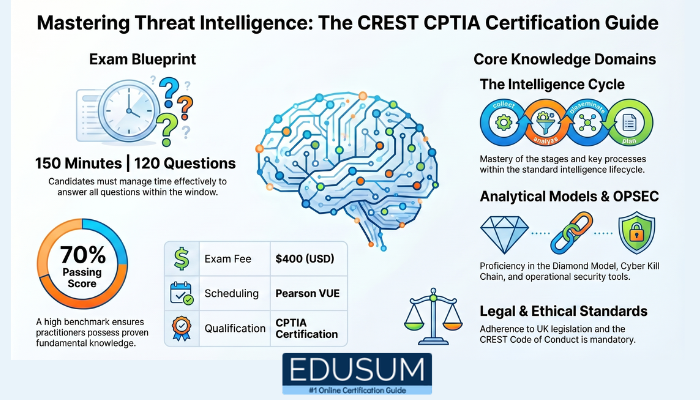
Exam Price: The cost to take the CPTIA exam is $400 (USD).
-
Duration: Candidates are allotted 150 minutes to complete the examination.
-
Number of Questions: The exam comprises 120 multiple-choice questions.
-
Passing Score: A minimum score of 70% is required to pass the CPTIA certification exam.
This format demands efficient time management and a solid grasp of all syllabus areas. Prospective candidates should familiarize themselves with these details to plan their study and exam strategy effectively.
Understanding the CPTIA Examination Scope
The CPTIA exam's scope covers a wide array of topics essential for a threat intelligence analyst. It ensures that individuals are not only theoretically sound but also capable of applying their knowledge in practical, operational settings. The examination assesses a candidate's ability to identify, analyze, and interpret threat data, as well as their understanding of the intelligence lifecycle. This holistic approach prepares professionals to handle diverse challenges encountered in threat intelligence roles. For more insights into the exam's structure and what to expect, visiting the official CREST CPTIA page offers valuable context about the program's intent and scope. You can explore further details on the CREST Official Page.
Deconstructing the CPTIA Syllabus Domains
The CREST CPTIA syllabus is meticulously structured to cover all foundational and practical aspects of threat intelligence analysis. Each domain represents a crucial area of knowledge that a practitioner must master to be effective in the field. A deep understanding of these topics is not only essential for passing the exam but also for applying threat intelligence effectively in real-world scenarios. The comprehensive nature of the syllabus ensures that certified individuals possess a well-rounded skill set, from initial intelligence gathering to final dissemination.
Key Areas of Threat Intelligence Knowledge
The CPTIA syllabus is divided into several core domains, each contributing to a comprehensive understanding of threat intelligence. These areas guide candidates through the entire intelligence lifecycle and equip them with the necessary tools and techniques.
-
Key Concepts: This foundational section covers the basic definitions, principles, and models of threat intelligence, including the intelligence lifecycle, different types of intelligence, and the value proposition of threat intelligence.
-
Direction and Review: Focuses on the initial planning stages of intelligence gathering, defining intelligence requirements, legal and ethical considerations in direction, and reviewing the effectiveness of intelligence operations.
-
Data Collection: Explores various methods and sources for collecting raw threat data, including open-source intelligence (OSINT), human intelligence (HUMINT), technical intelligence, and the tools used for data acquisition.
-
Data Analysis: This domain teaches techniques for processing, analyzing, and enriching collected data to transform it into actionable intelligence. It covers methodologies for structured analysis, indicator analysis, and contextualization.
-
Product Dissemination: Concentrates on the effective communication of threat intelligence. This includes understanding target audiences, selecting appropriate reporting formats, and ensuring timely and relevant dissemination to stakeholders.
-
Legal and Ethical: Addresses the complex legal and ethical frameworks governing threat intelligence activities, privacy concerns, data protection regulations, and the responsible use of intelligence.
A thorough review of the complete syllabus is crucial for targeted preparation. You can access the official document detailing all topics and their weighting via this CREST CPTIA Syllabus PDF.
Cultivating Key Skills through CPTIA Training
The CREST CPTIA certification is not merely a test of knowledge; it is a validation of practical skills essential for a threat intelligence analyst. The training and preparation process for the CPTIA exam inherently develops and refines a crucial set of competencies that are directly applicable in professional settings. These skills span technical analysis, critical thinking, ethical considerations, and effective communication, all vital for navigating the complexities of modern cyber threats. Embracing the learning journey for CPTIA means investing in a holistic skill upgrade.
Developing Analytical and Research Aptitudes
A significant aspect of CPTIA training involves honing analytical and research skills. Candidates learn to sift through vast amounts of data, identify patterns, and draw meaningful conclusions. This includes:
-
Information Sourcing: Mastering the art of identifying and leveraging diverse intelligence sources, from public reports to dark web forums.
-
Data Interpretation: Learning to understand the nuances of raw data, differentiate noise from signals, and contextualize information within the broader threat landscape.
-
Critical Thinking: Developing the ability to question assumptions, evaluate the credibility of sources, and formulate hypotheses based on evidence.
These skills are foundational for transforming raw data into actionable intelligence and are highly sought after in cybersecurity.
Enhancing Technical Understanding and Tool Proficiency
While CPTIA focuses on the intelligence lifecycle, a solid technical foundation is implied and often reinforced during preparation. This includes understanding the mechanisms of cyberattacks, malware analysis fundamentals, and network forensics concepts that provide context for threat data. Proficiency with various threat intelligence tools and platforms, though not directly tested as hands-on, is an important outcome of effective training. Analysts learn to utilize these tools for data aggregation, correlation, and visualization, streamlining their analytical workflow.
Navigating Ethical and Legal Dimensions
The CPTIA syllabus prominently features legal and ethical considerations, highlighting their importance in threat intelligence operations. Candidates gain an understanding of privacy laws, international regulations, and responsible data handling practices. This ensures that intelligence gathering and dissemination are conducted within legal boundaries and ethical guidelines, protecting both the organization and individuals. This aspect of the certification is crucial for preventing legal repercussions and maintaining public trust.
Achieving Career Advancement with CPTIA Credential
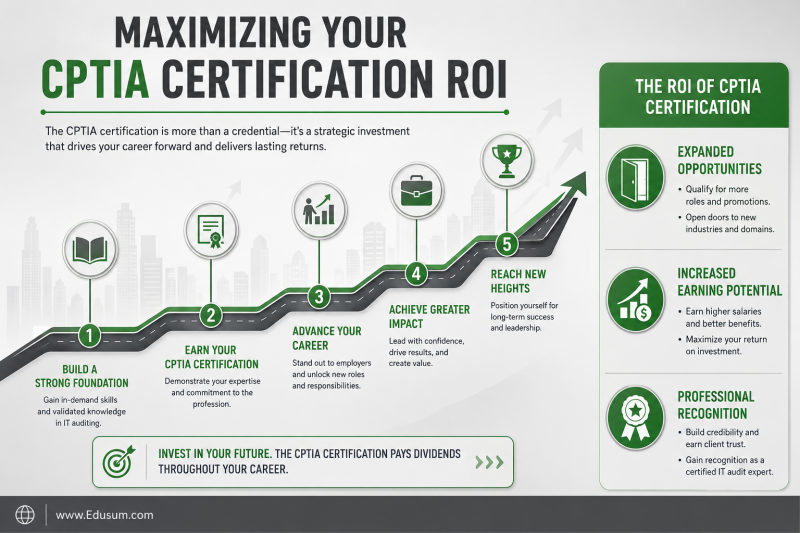
Obtaining the CREST CPTIA certification offers a significant boost to a cybersecurity professional's career trajectory. In a competitive job market, specialized credentials like CPTIA differentiate candidates and highlight their dedication to a specific, high-demand field. The certification opens doors to advanced roles, increased earning potential, and broader professional recognition. It signals to employers that an individual possesses a validated skill set ready to tackle complex threat intelligence challenges.
Expanding Opportunities in Threat Intelligence Roles
The demand for skilled threat intelligence analysts continues to grow as organizations prioritize proactive cyber defense strategies. The CPTIA certification positions individuals favorably for various roles, including:
-
Threat Intelligence Analyst: Core role involving the collection, analysis, and dissemination of threat data.
-
Security Operations Center (SOC) Analyst: Utilizing threat intelligence to enhance monitoring, detection, and response capabilities.
-
Incident Response Specialist: Informing incident handling processes with timely and relevant threat context.
-
Cybersecurity Consultant: Advising clients on building robust threat intelligence programs.
These roles are critical in both public and private sectors, offering diverse opportunities across industries.
Impact on Threat Intelligence Analyst Salary
While specific salaries can vary widely based on experience, location, and organizational size, earning a specialized certification like CPTIA typically correlates with higher earning potential. Threat intelligence analysts with CPTIA certification often command competitive salaries due to their validated expertise in a specialized domain. The credential signifies a higher level of proficiency and commitment, which is valued by employers seeking to invest in top-tier talent. This makes the CREST CPTIA certification a worthwhile investment for career growth and financial reward. Learn more about the potential career paths and roles on the CREST CPTIA certification page.
Professional Recognition and Credibility
CREST certifications are globally recognized and highly respected within the cybersecurity industry. Holding a CPTIA credential enhances a professional's credibility and demonstrates adherence to rigorous industry standards. This recognition can lead to greater opportunities for leadership, mentorship, and contributing to the broader cybersecurity community. It provides a distinct advantage in networking and professional development, solidifying one's standing as an expert in threat intelligence.
Formulating a Winning CPTIA Preparation Plan
Successful attainment of the CREST CPTIA certification requires a strategic and disciplined approach to preparation. Given the breadth of the syllabus and the rigor of the exam, a well-structured study plan is indispensable. Effective preparation goes beyond mere memorization; it involves deep comprehension of concepts and the ability to apply them. Candidates should leverage a variety of resources and techniques to build a robust foundation of knowledge and confidence.
Leveraging Official and Supplementary Study Material
Candidates should prioritize official CREST resources, including the detailed syllabus, as their primary guide. Beyond official materials, a comprehensive study plan often involves:
-
Recommended Reading: Exploring books and articles on cyber threat intelligence, information security frameworks, and analytical methodologies.
-
Online Courses and Training: Enrolling in specialized CREST Practitioner Threat Intelligence Analyst training courses offered by reputable providers.
-
Practice Questions: Engaging with CPTIA practice questions to familiarize oneself with the exam format and identify areas for improvement.
-
Community Resources: Participating in cybersecurity forums and study groups to discuss concepts and gain diverse perspectives.
A multi-faceted approach ensures thorough coverage of all exam domains.
Strategizing for the CPTIA Examination
Effective exam preparation involves more than just studying; it requires smart strategies:
-
Deep Dive into Each Domain: Allocate sufficient time to each syllabus domain, ensuring a strong grasp of both theoretical concepts and practical implications.
-
Regular Review and Revision: Implement a schedule for reviewing previously studied topics to reinforce learning and aid retention.
-
Time Management Skills: Practice answering questions under timed conditions to improve speed and accuracy, crucial for the 150-minute exam.
-
Understanding Question Types: Familiarize yourself with the multiple-choice question format, including how to analyze questions and eliminate incorrect options.
Utilizing resources like CPTIA certification sample questions can be invaluable for this process.
The Importance of Ethical Preparation
It is critical to emphasize the importance of ethical study practices. Relying on unauthorized "dumps" or unfair means not only undermines the value of the certification but also compromises professional integrity. Genuine learning and legitimate practice tests are the only credible pathways to success. Ethical preparation builds foundational knowledge that serves a professional throughout their career, far beyond the exam itself. Maintaining academic honesty ensures that the CPTIA credential truly reflects acquired skills and knowledge.
Overcoming Challenges in CPTIA Exam Journey
The path to CREST CPTIA certification can present various challenges, from the technical depth of the syllabus to the pressure of timed exams. Recognizing these potential hurdles upfront allows candidates to develop strategies for overcoming them effectively. A proactive approach to addressing difficulties can significantly reduce stress and improve the likelihood of success. The journey often tests not only technical knowledge but also resilience and strategic thinking.
Tackling Complex Threat Intelligence Tools
While the CPTIA exam does not typically involve hands-on use of tools, understanding the functionalities and applications of common threat intelligence tools is part of the broader knowledge base. Candidates may find the sheer volume of available tools and their specific uses daunting. Focusing on the underlying principles that these tools facilitate, such as data enrichment, visualization, and sharing, rather than memorizing every feature, can be a more effective approach. Practical exposure through labs or simulated environments can also build confidence in this area.
Managing Information Overload and Scope Creep
The field of cyber threat intelligence is vast and constantly evolving, leading to potential information overload during preparation. The temptation to dive deep into every tangential topic can lead to scope creep, diverting focus from the core syllabus. Candidates should strictly adhere to the official CPTIA exam syllabus as their primary guide, prioritizing topics explicitly mentioned. Breaking down study into manageable modules and focusing on one area at a time can help mitigate this challenge and maintain focus.
Maintaining Motivation and Preventing Burnout
Long-term study for a challenging certification can lead to fatigue and demotivation. Establishing a balanced study routine that includes regular breaks, physical activity, and sufficient rest is crucial. Celebrating small milestones and connecting with a study community can also provide encouragement and support. Approaching the CPTIA journey with a growth mindset, viewing challenges as learning opportunities, helps in sustaining motivation throughout the preparation period.
Maximizing Your CPTIA Certification Investment
The CREST CPTIA certification represents a significant investment of time, effort, and financial resources. To truly maximize this investment, professionals must not only pass the exam but also actively leverage their newly validated skills in their careers. The value of CPTIA extends beyond the initial credential, influencing long-term professional development and contribution to organizational security. It’s about translating certification into tangible impact.
Applying CPTIA Skills in Daily Operations
The true value of the CPTIA certification lies in its practical application. Certified professionals should actively seek opportunities to implement threat intelligence principles in their daily work. This could involve leading intelligence gathering initiatives, refining internal analysis processes, or improving threat reporting mechanisms. Continuously applying and refining these skills ensures that the knowledge gained remains current and relevant, benefiting both the individual and their organization. The certification serves as a robust foundation for ongoing skill development.
Pursuing Advanced Threat Intelligence Certifications
The CPTIA certification serves as an excellent stepping stone for further specialization in threat intelligence. Professionals can explore advanced CREST certifications or other industry-recognized credentials to deepen their expertise in areas like advanced persistent threat (APT) analysis, reverse engineering, or specialized forensic techniques. This continuous learning path helps in building a comprehensive skill portfolio and maintaining a competitive edge in the cybersecurity field.
Contributing to the Threat Intelligence Community
Active participation in the broader threat intelligence community can further enhance the value of CPTIA certification. Sharing insights, collaborating on threat research, and contributing to open-source intelligence efforts not only builds professional networks but also reinforces learned concepts. Engaging with peers and experts provides opportunities for continuous learning, staying abreast of emerging threats, and collectively strengthening the global cyber defense posture. This communal aspect enriches the individual professional journey.
The CREST Practitioner Threat Intelligence Analyst (CPTIA) certification stands as a testament to a professional's dedicated expertise in cyber threat intelligence. It provides a structured pathway for skill development, validates critical analytical abilities, and opens doors to significant career advancement within the cybersecurity domain. The comprehensive syllabus, coupled with a rigorous examination, ensures that certified individuals are well-equipped to face real-world threat challenges. By embracing ethical preparation and continuously applying the acquired knowledge, professionals can unlock the hidden value of CPTIA, transforming their careers and enhancing organizational security.
To embark on your CPTIA certification journey and access valuable preparation resources, including practice questions and detailed study guides, visit Edusum’s comprehensive platform. Prepare confidently to achieve your CREST Practitioner Threat Intelligence Analyst certification and elevate your expertise in this vital field. You can begin your effective preparation with CREST CPTIA certification sample questions to gauge your readiness and focus your studies.
Frequently Asked Questions
1. What does the CREST Practitioner Threat Intelligence Analyst (CPTIA) certification validate?
The CPTIA certification validates a professional's foundational knowledge and skills in cyber threat intelligence, covering the collection, analysis, and dissemination of actionable intelligence for proactive cyber defense.
2. Who should consider taking the CPTIA exam?
Individuals aspiring to become threat intelligence analysts, SOC analysts, incident responders, and cybersecurity consultants seeking specialized expertise in threat intelligence should consider the CPTIA certification.
3. What are the key benefits of holding a CPTIA certification?
Benefits include enhanced career opportunities, increased earning potential, professional recognition within the cybersecurity industry, and a validated skill set in a high-demand field.
4. How should one prepare for the CREST CPTIA exam?
Preparation should involve reviewing the official CREST syllabus, utilizing recommended study materials, enrolling in relevant training courses, practicing with sample questions, and adhering to ethical study practices.
5. Are there any specific requirements to take the CPTIA exam?
While CREST does not list formal prerequisites, candidates are typically expected to have some experience in cybersecurity or a related IT field. A strong understanding of networking, security concepts, and analytical skills is beneficial.
- CREST Practitioner Threat Intelligence Analyst (CPTIA) |
- CPTIA Practitioner Threat Intelligence Analyst |
- CPTIA Online Test |
- CPTIA Questions |
- CPTIA Quiz |
- CPTIA |
- CREST Practitioner Threat Intelligence Analyst Certification |
- Practitioner Threat Intelligence Analyst Practice Test |
- Practitioner Threat Intelligence Analyst Study Guide |
- CREST CPTIA Question Bank |
- Practitioner Threat Intelligence Analyst Certification Mock Test |
- Practitioner Threat Intelligence Analyst Simulator |
- Practitioner Threat Intelligence Analyst Mock Exam |
- CREST Practitioner Threat Intelligence Analyst Questions |
- Practitioner Threat Intelligence Analyst |
- CREST Practitioner Threat Intelligence Analyst Practice Test |
- CPTIA Syllabus |
- Practitioner Threat Intelligence Analyst Books |
- Practitioner Threat Intelligence Analyst Certification Syllabus |
- CREST Threat Intelligence Certification |
- CREST CPTIA Books |
- CREST Practitioner Threat Intelligence Analyst Training |
- CPTIA Practice Test |
- CPTIA Practice Exam


