
Is the CCT Exam Right For Your Tech Career Start?
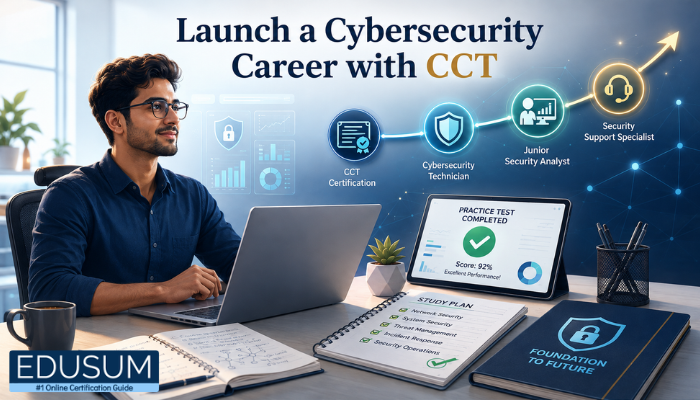
The EC-Council Certified Cybersecurity Technician (CCT) exam, coded 212-82, emerges as a pivotal entry-level certification for individuals aspiring to launch their careers in the rapidly evolving field of cybersecurity. This credential from EC-Council is specifically designed to validate fundamental skills required by cybersecurity technicians, focusing on foundational knowledge across various security domains. By pursuing the CCT exam, candidates demonstrate their readiness to support cybersecurity operations, monitor security systems, and respond to common security incidents. This article delves into the purpose, benefits, career relevance, and effective preparation strategies for the CCT certification, offering a comprehensive guide for those contemplating this crucial first step in their cybersecurity journey. It aims to clarify whether the CCT exam aligns with your career aspirations and how to best prepare for success.
Evaluating Your Cybersecurity Career Path
Embarking on a cybersecurity career requires a clear understanding of foundational roles and the certifications that validate essential skills. The EC-Council CCT certification acts as a gateway, providing a structured curriculum that covers core aspects of cybersecurity. It's tailored for individuals who are new to the field, offering them a robust starting point to build a career in technology that demands precision and vigilance. Understanding the landscape of entry-level roles and the expectations within them is crucial before committing to a specific certification. This involves assessing your current skill set, your interest in specific security domains, and the trajectory you envision for your professional growth.
Understanding Entry-Level Cybersecurity Roles
Entry-level cybersecurity roles typically involve tasks such as monitoring networks for suspicious activity, performing basic vulnerability assessments, assisting with incident response, and maintaining security configurations. These positions often require a broad understanding of IT infrastructure, networking, and operating systems, alongside specific security concepts. The CCT certification aims to equip candidates with this very blend of technical skills and theoretical knowledge, making them suitable for roles like cybersecurity analyst assistant, network security technician, or security support specialist. The demand for these foundational roles is consistently high, driven by the increasing complexity of cyber threats and the critical need for organizations to protect their digital assets.
Aligning Certification with Personal Goals
Choosing the right certification involves more than just selecting a popular name; it requires a deep dive into what you personally hope to achieve. For some, it's about gaining a competitive edge in the job market, while for others, it's about building a solid knowledge base to pursue advanced specializations later. The EC-Council CCT exam is particularly well-suited for those who appreciate structured learning and prefer a hands-on approach to skill development. It offers a clear pathway to understand the daily responsibilities of a cybersecurity technician, thereby validating not just knowledge but also the practical aptitude required for these roles. This alignment between the certification’s offerings and your personal learning style and career aspirations is key to maximizing its value.
Why Pursue the EC-Council CCT Certification?
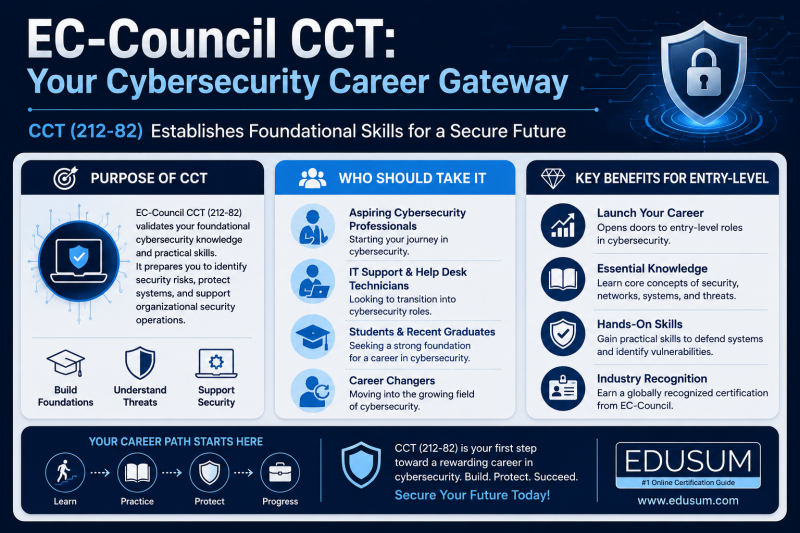
The EC-Council Certified Cybersecurity Technician certification is designed to equip aspiring professionals with the practical, hands-on skills necessary to operate as a cybersecurity technician. It goes beyond theoretical knowledge, emphasizing real-world scenarios and tools commonly used in the industry. This focus on practical application ensures that certified individuals are not just knowledgeable about security concepts but are also capable of performing essential tasks from day one. Pursuing this certification demonstrates a proactive approach to professional development and a commitment to mastering the fundamentals of cybersecurity, which is highly valued by employers. It serves as a credible benchmark for foundational competency in a critical field.
Recognizing Core Skill Validation
The CCT credential validates a range of core skills that are indispensable for any entry-level cybersecurity professional. These include an understanding of information security fundamentals, network security principles, threat detection mechanisms, and basic cryptography. Furthermore, candidates learn about various operating system security controls and basic vulnerability assessment techniques. The comprehensive nature of the program ensures that individuals gain a holistic view of the cybersecurity landscape, enabling them to contribute effectively to an organization's security posture. This broad skill set makes CCT holders versatile and adaptable to different aspects of security operations, enhancing their employability.
Building a Solid Foundation for Advancement
A career in cybersecurity is a continuous journey of learning and specialization. The CCT certification provides an excellent starting point, establishing a strong foundation upon which further advanced certifications and roles can be built. By mastering the basics, individuals are better prepared to tackle more complex topics in areas like ethical hacking, digital forensics, or cloud security. EC-Council, as a prominent vendor in cybersecurity education, structures its certifications to offer clear progression paths. The CCT acts as the initial rung on this ladder, making subsequent certifications such as CEH (Certified Ethical Hacker) or CHFI (Computer Hacking Forensic Investigator) more accessible and logical steps for career progression. This strategic advantage helps professionals map out a long-term growth plan in cybersecurity.
Prerequisites and Candidate Suitability
While the EC-Council CCT exam is generally considered an entry-level certification, understanding the recommended prerequisites can significantly enhance your chances of success and maximize the value derived from the program. EC-Council typically suggests a foundational understanding of networking concepts, operating systems, and basic IT literacy. These are not rigid requirements, but rather guidelines to ensure that candidates possess the necessary background knowledge to absorb the cybersecurity-specific content effectively. The certification targets individuals ranging from IT students and fresh graduates to career changers looking to transition into cybersecurity.
Defining the Ideal CCT Candidate
The ideal CCT candidate is someone with a keen interest in technology and a desire to understand how to protect digital assets from various threats. They should possess a logical mindset, problem-solving abilities, and a commitment to continuous learning. While prior work experience in IT is beneficial, it is not strictly mandatory, making it accessible for those without a direct IT background but who are eager to learn. The CCT is particularly suitable for:
- Students: Those currently studying IT or computer science who wish to specialize in cybersecurity and gain a competitive edge.
- Entry-Level IT Professionals: Individuals in help desk, network administration, or system administration roles looking to pivot into security.
- Career Changers: Professionals from other fields with a strong interest in technology and a desire for a challenging and rewarding career in cybersecurity.
This broad appeal underscores the CCT's role as a foundational certification for a diverse group of aspiring cybersecurity professionals.
Navigating Educational and Experience Pathways
For candidates without formal IT education or work experience, self-study and foundational courses in areas like CompTIA A+ or Network+ can provide a robust preparatory phase before diving into the CCT material. Online learning platforms, community colleges, and vocational schools offer various courses that cover IT fundamentals. Having a basic grasp of concepts like TCP/IP, operating system commands (Windows and Linux), and common hardware components will allow you to focus more on the cybersecurity aspects presented in the CCT curriculum. It's about building a stable platform of general IT knowledge, upon which the specialized cybersecurity skills can be effectively layered. This approach ensures that all candidates, regardless of their starting point, can confidently pursue the EC-Council CCT certification.
Exploring the EC-Council Certified Cybersecurity Technician Credential
The EC-Council Certified Cybersecurity Technician (CCT) credential positions itself as a crucial stepping stone for individuals aiming to enter the cybersecurity workforce. This certification is meticulously designed to provide a comprehensive understanding of core cybersecurity concepts, practical skills, and essential tools that underpin the field. It emphasizes a hands-on approach, ensuring that candidates are not just theoretically aware but also practically proficient in handling real-world security tasks. The CCT equips technicians with the ability to identify, analyze, and mitigate common cyber threats, making them immediate assets to any security team. More detailed information can be found by visiting EC-Council's official CCT page.
What the CCT Validates for Employers
For employers, a CCT certification signifies that an applicant possesses verified foundational knowledge and practical skills crucial for entry-level cybersecurity roles. It assures them that the candidate has undergone a structured learning process covering essential domains such as network defense, incident handling, and basic ethical hacking principles. This validation helps bridge the gap between academic learning and industry demands, as the certification focuses on competencies directly applicable to operational security environments. Employers can confidently assign CCT-certified individuals tasks related to monitoring, threat intelligence gathering, and preliminary incident response, knowing they have a solid understanding of best practices and security tools.
Comparing CCT with Other Entry-Level Options
While several entry-level cybersecurity certifications exist, the CCT distinguishes itself with its strong emphasis on hands-on practical application and its direct alignment with the operational needs of a cybersecurity technician. Unlike some certifications that might focus heavily on conceptual knowledge or a specific vendor's technologies, the CCT offers a broader, vendor-neutral perspective on fundamental security tasks. This practical orientation prepares candidates not just for theory-based questions but for the actual challenges they will face on the job. Its curriculum is carefully crafted to ensure that individuals are capable of performing tasks ranging from basic system hardening to assisting in security audits, making it a well-rounded choice for a comprehensive start.
Preparing for the 212-82 EC-Council CCT Exam
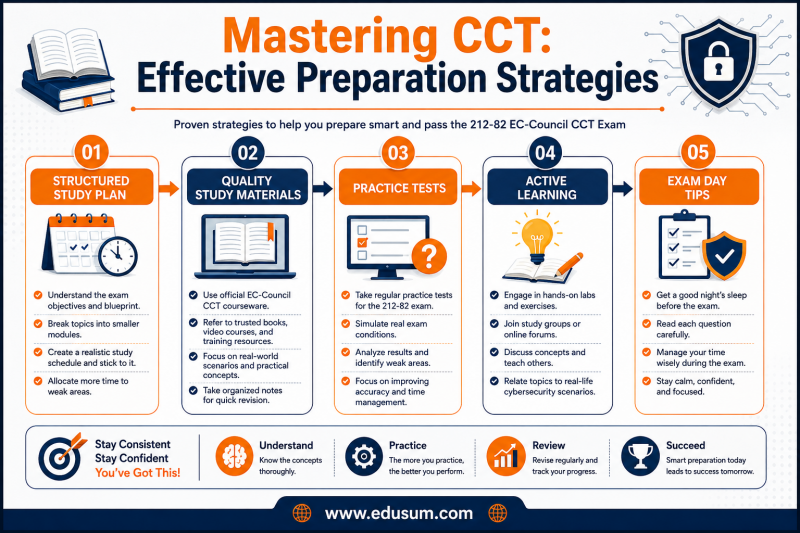
Effective preparation for the 212-82 EC-Council CCT exam is paramount for success, particularly for those new to cybersecurity. While the exam details and specific syllabus points are not provided here, a general robust strategy for such a foundational certification typically involves a multi-faceted approach. This includes understanding the core objectives that any entry-level cybersecurity technician needs to master, engaging with quality study materials, and employing strategic practice methods. A structured study plan will help candidates navigate the breadth of topics and ensure comprehensive coverage, building both knowledge and confidence.
Crafting a Comprehensive Study Plan
A well-defined study plan is the backbone of successful exam preparation. Begin by allocating dedicated study hours each week, factoring in your learning style and existing commitments. Break down the general domains of cybersecurity into manageable modules, focusing on one area at a time before integrating them. For a technician-level exam like the CCT, hands-on practice is crucial. Incorporate labs, simulations, and virtual environments where you can apply theoretical concepts. Regularly review previously covered topics to reinforce learning and identify areas that require further attention. Consider creating a study group to discuss complex topics and share insights, which can deepen understanding and expose different perspectives.
Utilizing Quality Study Materials and Resources
Accessing high-quality study materials is non-negotiable for passing the EC-Council CCT exam. While official EC-Council training courses are often the most comprehensive, a variety of other resources can supplement your learning. Look for reputable cybersecurity textbooks that cover foundational concepts, online courses from recognized providers, and documentation for common security tools and operating systems. Whitepapers and industry blogs can also offer current insights into cybersecurity trends and best practices. It's advisable to seek out a detailed study guide that aligns with general entry-level cybersecurity objectives to ensure you're covering all critical areas required for the exam. You can explore a detailed study guide to support your learning journey.
The Role of Practice Tests in CCT Exam Preparation
Practice tests are an indispensable component of any effective EC-Council CCT exam preparation strategy. They serve multiple purposes, from gauging your current knowledge levels to familiarizing you with the exam format and question types. By simulating the actual exam environment, practice tests help reduce test-day anxiety and improve time management skills. They allow you to identify your strengths and weaknesses, enabling you to focus your study efforts on areas where you need the most improvement. Analyzing incorrect answers from practice tests is just as important as getting them right, as it provides valuable learning opportunities. For comprehensive CCT practice questions and detailed explanations, you can visit sample CCT questions to enhance your readiness.
Understanding the CCT Certification Requirements
Obtaining the EC-Council Certified Cybersecurity Technician (CCT) certification involves meeting specific criteria set by EC-Council, ensuring that all certified professionals uphold a certain standard of competency. While explicit duration, scoring, or weightage details are not provided, understanding the general requirements for such an industry-recognized credential is vital. Typically, this includes registration for the exam, adhering to any recommended prerequisites, and ultimately passing the official examination. The certification is designed to be accessible to a broad audience, reflecting its role as an entry-level pathway into the cybersecurity field.
Exam Registration and Logistics
The first step toward certification is registering for the 212-82 EC-Council CCT exam. This process typically involves creating an account with EC-Council or its authorized testing centers, selecting a convenient exam date and location, and paying the associated exam fee. It's crucial to familiarize yourself with the exam policies, including cancellation and rescheduling procedures, well in advance. Ensuring that your identification matches the requirements of the testing center is also important to avoid any last-minute complications. All logistical details are typically managed through EC-Council's official portal or a designated testing partner. EC-Council provides extensive training and certification resources to help candidates prepare and manage their journey effectively. Visit EC-Council's training and certification resources for more information.
Maintaining Your CCT Credential
Certifications often come with renewal requirements to ensure that professionals keep their skills current with the latest industry advancements and threats. While specific CCT renewal policies are not detailed here, EC-Council's certifications generally require holders to engage in continuing education (EC-Council's ECE program) over a specific period. This might involve attending cybersecurity conferences, participating in relevant training, publishing security-related articles, or re-taking a newer version of the exam. Adhering to these maintenance requirements is essential to keep your CCT credential active and demonstrate your ongoing commitment to professional development in cybersecurity. Staying updated not only preserves your certification but also enhances your expertise.
Career Opportunities and EC-Council CCT Salary Expectations
The EC-Council CCT certification opens doors to various entry-level and junior cybersecurity roles, providing a valuable credential for those starting their professional journey. Given the pervasive need for cybersecurity across all industries, CCT-certified individuals find opportunities in diverse sectors, including technology, finance, healthcare, and government. The demand for skilled cybersecurity professionals continues to outpace supply, making certifications like the CCT highly relevant for securing initial positions. Salary expectations for entry-level roles can vary widely based on location, experience, employer, and additional skills, but the CCT provides a competitive edge in securing higher starting remuneration.
Identifying Potential Job Roles
With an EC-Council CCT certification, individuals are well-prepared for roles that require a fundamental understanding of cybersecurity operations. Common job titles include:
- Cybersecurity Technician: Assisting senior analysts with security tasks, monitoring systems, and basic incident response.
- Network Security Administrator: Focusing on securing network infrastructure, firewalls, and intrusion detection systems.
- IT Security Analyst (Junior): Performing preliminary vulnerability scans, analyzing security logs, and contributing to security assessments.
- Security Support Specialist: Providing technical support for security-related issues, helping users implement security best practices.
These roles are critical to an organization's defense strategy and offer practical experience that can lead to more specialized positions in the future. The CCT provides the foundational knowledge across these domains.
Exploring EC-Council CCT Salary Trends
While specific EC-Council CCT salary figures are influenced by numerous factors, entry-level cybersecurity technician roles generally offer competitive starting salaries. Data from various job portals and industry reports often place average starting salaries for professionals with foundational cybersecurity certifications within a healthy range, typically between $50,000 and $75,000 annually in regions with high demand. As CCT-certified individuals gain experience and pursue advanced certifications, their earning potential significantly increases. The CCT acts as a strong indicator to employers of a candidate’s dedicated investment in the field, often translating into better compensation packages compared to those without formal certification. It’s an investment that pays dividends in career growth and financial reward.
Assessing the Value of EC-Council CCT Certification
Deciding whether the EC-Council CCT certification is worth the investment involves weighing its benefits against your career aspirations and the current industry landscape. For individuals aiming for an entry point into cybersecurity, the CCT offers significant value by validating foundational skills in a highly recognized and vendor-neutral manner. Its focus on practical application ensures that certified professionals are not merely theoretical experts but capable practitioners. The certification acts as a strong signal to employers that you possess the core competencies necessary to contribute immediately to a security team, thereby enhancing your employability and career trajectory.
Tangible Benefits of Holding a CCT Credential
Holding an EC-Council CCT credential brings several tangible benefits that can accelerate your career.
- Enhanced Employability: The certification makes your resume stand out to recruiters and hiring managers, particularly for entry-level cybersecurity roles.
- Credibility and Recognition: EC-Council is a globally recognized organization, and its certifications carry significant weight in the industry, lending credibility to your skills.
- Foundational Skill Set: The CCT provides a comprehensive understanding of core cybersecurity domains, equipping you with versatile skills applicable across various security functions.
- Career Progression: It serves as a solid base for pursuing advanced EC-Council certifications or other industry-recognized credentials, facilitating long-term career growth.
- Increased Earning Potential: Certified professionals often command higher starting salaries and have better opportunities for salary growth compared to uncertified peers.
These benefits collectively make the CCT a valuable asset for anyone serious about a career in cybersecurity.
Is EC-Council CCT Worth It for a Tech Career Start?
For individuals just starting their tech careers with a focus on cybersecurity, the EC-Council CCT certification is indeed a worthwhile investment. It addresses the critical need for skilled entry-level technicians who can perform essential security tasks and understand the foundational principles of cyber defense. In a field that often demands proven skills, the CCT provides that proof, bridging the gap between aspiring professionals and desirable job roles. The practical, hands-on nature of the training ensures that you are prepared for real-world scenarios, making you a more attractive candidate to potential employers. While it requires dedication and effort, the return on investment in terms of career opportunities and growth potential makes the CCT a strategic choice for a robust start in cybersecurity.
Mastering the EC-Council CCT Exam Objectives (212-82)
To successfully pass the EC-Council CCT exam (212-82), a deep understanding and mastery of its objectives are essential. Although specific syllabus details are not explicitly provided in the inputs, the nature of a "Cybersecurity Technician" certification implies a focus on foundational operational security skills. Generally, such exams assess a candidate's ability to identify common threats, implement basic security controls, perform vulnerability assessments, assist in incident response, and understand network security principles. Effective preparation hinges on meticulously covering these implied areas, ensuring both theoretical comprehension and practical application.
Key Knowledge Areas for the CCT Exam
A general entry-level cybersecurity technician exam like the CCT typically covers several critical knowledge domains. These broadly include:
- Information Security Fundamentals: Core concepts of confidentiality, integrity, availability, security policies, and ethical considerations.
- Network Security: Understanding network protocols, common vulnerabilities, firewalls, intrusion detection/prevention systems, and secure network configurations.
- Operating System Security: Securing Windows and Linux environments, patch management, access control, and hardening techniques.
- Threats and Vulnerabilities: Identifying various types of malware, social engineering attacks, denial-of-service, and common web application vulnerabilities.
- Incident Handling and Response: Basic steps in identifying, containing, eradicating, and recovering from security incidents.
- Cryptography: Fundamentals of encryption, hashing, digital signatures, and Public Key Infrastructure (PKI).
- Security Assessments: Basic vulnerability scanning tools and techniques, penetration testing methodologies at a high level.
- Cloud Security Fundamentals: Basic understanding of cloud computing security challenges and best practices.
Focusing on these broad areas will provide a comprehensive understanding for the CCT exam.
Developing Practical Skills for Exam Success
Beyond theoretical knowledge, the EC-Council CCT exam emphasizes practical skills, aligning with the "technician" aspect of the role. Candidates should gain hands-on experience with:
Command-Line Tools
Proficiency in using command-line interfaces for both Windows (PowerShell, Command Prompt) and Linux (Bash) is crucial. This includes commands for network diagnostics (ping, tracert, netstat, ipconfig/ifconfig), system information gathering, file permissions management, and basic scripting for automation.
Security Software
Familiarity with various security tools, such as network scanners (e.g., Nmap for host discovery and port scanning), vulnerability scanners (e.g., Nessus, OpenVAS for identifying weaknesses), and basic packet sniffers (e.g., Wireshark for network traffic analysis).
Virtualization and Labs
Setting up and working within virtualized environments (e.g., VirtualBox, VMware) to practice installing and configuring operating systems, deploying security tools, and simulating attack scenarios in a safe, controlled manner. This hands-on experience is invaluable for solidifying concepts.
Operating System Hardening
Practicing security configurations on different operating systems, including user account management, password policies, firewall settings, service disabling, and applying security updates. This practical application reinforces understanding of secure system management.
These practical competencies are what differentiate a theoretical understanding from the real-world capabilities expected of a certified cybersecurity technician.
EC-Council Certified Cybersecurity Technician Training: Your Path to Readiness
Enrolling in structured EC-Council Certified Cybersecurity Technician (CCT) training is often considered the most effective path to achieving readiness for the 212-82 exam. While self-study is an option, official or authorized training programs provide a structured curriculum, expert instructors, and often include hands-on labs and practice environments designed to simulate real-world scenarios. This comprehensive approach ensures that candidates not only grasp theoretical concepts but also develop the practical skills essential for the role of a cybersecurity technician. Such training can significantly streamline your study process and deepen your understanding of complex security topics.
Benefits of Structured Training Programs
Formal training programs for the CCT offer numerous advantages, especially for individuals entering the cybersecurity field.
- Expert Instruction: Learn from certified instructors who have extensive industry experience and can provide insights beyond the curriculum.
- Structured Curriculum: Follow a logically organized learning path that covers all exam objectives thoroughly, ensuring no critical areas are missed.
- Hands-on Labs: Gain practical experience through guided labs that simulate real-world security tasks, using industry-standard tools and techniques.
- Peer Interaction: Collaborate with other learners, discuss challenges, and form study groups, which can enhance understanding and motivation.
- Official Resources: Access official EC-Council courseware, which is meticulously developed to align directly with the exam content.
These elements combine to create a highly effective learning environment that goes beyond mere memorization, fostering true skill development.
Choosing the Right EC-Council CCT Training Option
When selecting an EC-Council CCT training option, consider factors such as your learning style, budget, and schedule flexibility.
Instructor-Led Training
This option provides direct interaction with an instructor and peers, often in a classroom or virtual live setting. It's ideal for those who thrive in a structured, interactive environment and benefit from immediate feedback and Q&A sessions. These programs are typically intensive and cover the material within a set timeframe.
Self-Paced Online Training
For individuals who prefer flexibility, self-paced online courses allow you to learn at your own speed and on your own schedule. These often include video lectures, reading materials, practice exercises, and sometimes virtual labs. This option requires strong self-discipline and motivation to stay on track.
Blended Learning
Some providers offer a hybrid approach, combining elements of both instructor-led and self-paced learning. This can provide the best of both worlds, offering structured guidance while allowing for individual flexibility. Regardless of the format, ensure the training program includes extensive practical components to build the hands-on skills validated by the CCT exam.
Smarter Strategies for How to Pass EC-Council CCT Exam
Passing the EC-Council CCT exam is a challenging but achievable goal with the right approach. Beyond acquiring knowledge and skills, adopting smarter study strategies and a focused mindset can significantly improve your chances. It’s not just about what you study, but how you study, and how you approach the exam itself. Strategic preparation minimizes wasted effort and maximizes retention, leading to greater confidence on exam day.
Leveraging Active Learning Techniques
Passive learning, such as simply reading through notes, is often insufficient for comprehensive understanding and retention. Instead, integrate active learning techniques into your CCT exam preparation:
- Summarization: After reading a section, summarize the key concepts in your own words without looking at the text. This forces active recall and comprehension.
- Teaching: Explain complex topics to a study partner or even to yourself out loud. The act of teaching helps identify gaps in your understanding.
- Flashcards: Create flashcards for key terms, definitions, commands, and concepts. Regularly review them to reinforce memory.
- Mind Mapping: Visually organize information using mind maps to connect related concepts, helping to see the bigger picture and improve recall.
- Scenario Practice: Work through hypothetical cybersecurity scenarios, outlining the steps you would take to identify, analyze, and mitigate threats.
These methods engage your brain more deeply, leading to better long-term retention of information vital for the CCT exam.
Optimizing Your Exam Day Performance
Exam day performance is as much about preparation as it is about mindset and strategy.
Pre-Exam Preparation
Ensure you get adequate rest the night before. Double-check your testing center requirements and plan your travel to arrive early. Avoid cramming new material on exam day; instead, lightly review key concepts or challenging areas.
Time Management During the Exam
Once the exam begins, quickly scan through the questions to gauge the overall difficulty and allocation of time. Answer questions you are confident about first to build momentum. For challenging questions, make an educated guess, flag them for review if time permits, and move on. Do not dwell too long on any single question.
Handling Tricky Questions
Many technical exams include questions designed to test your critical thinking rather than just rote memorization. Read each question carefully, paying attention to keywords and negative qualifiers (e.g., "NOT," "EXCEPT"). Eliminate obviously incorrect answer choices to narrow down the possibilities. Trust your preparation and avoid second-guessing yourself excessively. Approaching the EC-Council CCT exam with these strategies can help you manage stress and perform at your best.
Conclusion: Charting Your Course with CCT
The EC-Council Certified Cybersecurity Technician (CCT) exam stands as a robust entry point for anyone serious about a career in cybersecurity. It provides a foundational yet comprehensive understanding of essential security domains, coupled with the practical skills demanded by today's threat landscape. By earning this certification, you not only validate your technical competencies but also demonstrate a commitment to professional growth in a critical and ever-evolving field. The CCT is more than just a credential; it is a strategic investment in your future, offering a clear pathway to a rewarding career in protecting digital assets.
Whether you are a student, an IT professional looking to specialize, or embarking on a career change, the CCT equips you with the fundamental knowledge and hands-on expertise to excel. It prepares you for real-world challenges, enhances your employability, and sets a strong foundation for advanced certifications. Embrace the opportunity to build a resilient and impactful career in cybersecurity by taking this crucial first step. To further enhance your exam readiness and explore detailed study resources, visit our platform for a comprehensive guide and valuable insights. Your journey towards becoming a proficient cybersecurity technician starts here, with focused preparation and the right foundational certification.
Frequently Asked Questions
1. What kind of jobs can I get with the EC-Council CCT certification?
With the EC-Council CCT certification, you can pursue entry-level roles such as Cybersecurity Technician, Network Security Administrator, Junior IT Security Analyst, and Security Support Specialist. These positions involve monitoring, basic incident response, system hardening, and network defense.
2. Is the EC-Council CCT exam worth it for beginners in cybersecurity?
Yes, the EC-Council CCT exam is highly worthwhile for beginners. It provides a strong foundational understanding of cybersecurity principles and practical skills, making it an excellent starting point for a career in the field. It enhances employability and sets a base for future advanced certifications.
3. How long does it typically take to prepare for the EC-Council CCT exam?
Preparation time for the EC-Council CCT exam can vary based on your existing knowledge and study commitment. Generally, candidates might take anywhere from 2 to 4 months of dedicated study, including hands-on practice, to feel confident for the exam.
4. Are there any prerequisites for taking the EC-Council CCT exam?
While there are no strict mandatory prerequisites, EC-Council recommends candidates have a foundational understanding of networking concepts, operating systems (Windows and Linux), and basic IT literacy to benefit most from the CCT training and exam content.
5. What kind of study materials are best for the EC-Council CCT exam?
For the EC-Council CCT exam, it is highly recommended to use official EC-Council training materials. Additionally, supplementing with reputable cybersecurity textbooks, online courses with hands-on labs, and practice tests can significantly enhance your preparation and increase your chances of success.
- EC-Council Certified Cybersecurity Technician (CCT) |
- 212-82 CCT |
- 212-82 Online Test |
- 212-82 Questions |
- 212-82 Quiz |
- 212-82 |
- EC-Council CCT Certification |
- CCT Practice Test |
- CCT Study Guide |
- EC-Council 212-82 Question Bank |
- CCT Certification Mock Test |
- CCT Simulator |
- CCT Mock Exam |
- EC-Council CCT Questions |
- CCT |
- EC-Council CCT Practice Test |
- 212-82 Syllabus |
- CCT Books |
- CCT Certification Syllabus |
- EC-Council 212-82 Books |
- EC-Council CCT Training |
- CCT Certification Cost |
- EC-Council CCT Books |
- CCT Sample Questions |
- EC-Council 212-82 Practice Test Free |
- CCT Certification Sample Questions |
- EC-Council Cyber Technician Certification


