
GIAC Cyber Defense Exams: Smart Preparation Strategies
GIAC (Global Information Assurance Certification) cyber defense certifications validate the critical skills needed to protect organizations from evolving cyber threats. Designed for security professionals, these credentials - including the widely recognized GSEC, GCIH, GCED, GCIA, GDAT, GDSA, GISF, GFACT, GMLE, GMON, GOSI, and GSOC - offer a structured pathway to developing specialized expertise in defensive security operations. Whether you're a newcomer seeking a foundational understanding or an experienced practitioner aiming to master advanced incident response or intrusion analysis, GIAC provides industry-respected benchmarks. This comprehensive guide will reveal top preparation tools, essential study strategies, and career insights to help you unlock the secrets of GIAC cyber defense success and confidently pursue your certification goals.
Charting Your GIAC Cyber Defense Career Path
Selecting the appropriate GIAC cyber defense certification is a crucial first step that directly impacts your professional trajectory and skill development. Each certification targets distinct areas within the vast field of cybersecurity, from fundamental principles to highly specialized disciplines like incident handling, intrusion analysis, or security architecture. Understanding your current skill set, career aspirations, and the specific roles you aim for will guide your decision toward the most impactful credential.
Evaluating Certification Relevance
The GIAC portfolio encompasses a wide array of options, making it essential to align your choice with industry demands and personal growth. For those entering the field, foundational certifications offer a solid entry point, while seasoned professionals can leverage advanced credentials to specialize further or validate leadership capabilities. Consider which specific cybersecurity challenges you want to address and the technologies you wish to master.
Official Certification Landscape
To truly understand the breadth and depth of what GIAC offers, consulting the official resources is paramount. The GIAC website provides detailed overviews for each certification, outlining target audiences, validated skills, and prerequisite recommendations. This allows candidates to meticulously plan their learning journey and ensure their chosen certification aligns with their professional development goals. For comprehensive information and to explore the full range of options, visit the official GIAC certification details.
Establishing Foundational Skills: GIAC GSEC Security Essentials
The GIAC GSEC Security Essentials exam preparation is often the gateway for professionals seeking to establish a strong, broad foundation in information security. The GSEC certification validates an individual's understanding of security concepts, tools, and best practices across various domains. It's ideal for IT professionals with some networking and operating system experience, as well as managers who need a deeper technical understanding of cybersecurity principles. Achieving the GSEC demonstrates a solid grasp of practical security knowledge and is highly valued in entry to mid-level security roles.
GSEC Preparation Essentials
Effective preparation for the GSEC exam typically involves a combination of official SANS training courses, self-study using recommended books, and extensive practice. The associated SANS SEC401: Security Essentials Bootcamp Style course is widely regarded as the most effective preparation method, covering critical areas from network security and cryptography to incident response and cloud security. Many candidates supplement this with practical labs and simulations to reinforce theoretical knowledge.
GIAC GSEC Certification Cost and Benefits
The GIAC GSEC certification cost and benefits make it a significant investment in a cybersecurity career. While the cost includes the exam and often the SANS training, the return on investment comes from enhanced job prospects, higher earning potential, and the ability to confidently implement defensive security measures. Benefits include improved recognition, a demonstrable understanding of core security concepts, and a stepping stone to more advanced GIAC certifications, making it a highly sought-after credential for those committed to a career in cyber defense.
Advancing Incident Response: GIAC GCIH Certified Incident Handler
For professionals tasked with detecting, analyzing, and responding to cyber incidents, the GIAC GCIH Certified Incident Handler study guide is an invaluable resource. This certification focuses on equipping individuals with the tactical skills required to manage and mitigate security breaches effectively. GCIH candidates learn to understand common attack techniques, leverage various defense tools, and execute a structured incident response process, proving their capability to act decisively under pressure.
GCIH Study Approaches
A robust GCIH study plan often combines the official SANS SEC504: Hacker Tools, Techniques, Exploits, and Incident Handling course with hands-on lab exercises. Candidates are encouraged to create their own "Index" for rapid reference during the open-book exam, systematically organizing key concepts, tools, and commands. Practical application of exploit techniques and defensive countermeasures is critical, transforming theoretical knowledge into actionable skills.
Effective Practice Questions
Crucially, mastering the GCIH exam involves diligent practice with scenario-based questions that mimic real-world incident handling challenges. These practice questions are designed to test not just recall but also analytical and decision-making abilities. Engaging with quality GIAC GCIH exam practice questions helps candidates identify knowledge gaps, refine their response strategies, and build confidence for the actual exam. Utilizing practice exams for GIAC certifications can significantly improve readiness by simulating the exam environment and question formats.
Mastering Enterprise Defense: GCED, GCIA, and GDAT Certifications
As cyber threats become increasingly sophisticated, organizations require experts capable of defending complex enterprise environments. The GIAC Enterprise Defender (GCED), Certified Intrusion Analyst (GCIA), and Defending Advanced Threats (GDAT) certifications address these critical needs by focusing on advanced defensive strategies, in-depth analysis, and proactive threat mitigation. These credentials are for seasoned professionals who manage large-scale security operations or specialize in threat detection and response.
GCED Skill Requirements
The GIAC GCED Enterprise Defender certification requirements emphasize skills in securing enterprise systems and managing their defensive posture. This includes mastering Windows and Linux security, implementing effective patch and vulnerability management, and developing robust security policies. Professionals pursuing GCED demonstrate their ability to design, implement, and maintain secure enterprise architectures capable of resisting sophisticated attacks.
GCIA Career Trajectories
For those passionate about deeply understanding network traffic and identifying malicious activity, the GIAC GCIA Certified Intrusion Analyst job opportunities are abundant. GCIA validates the ability to perform packet-level analysis, recognize attacker methodologies, and utilize intrusion detection systems (IDS) effectively. This certification opens doors to roles such as Security Analyst, Threat Hunter, or Forensic Investigator, where granular insight into network communications is paramount for identifying and stopping intruders.
GDAT Threat Mitigation Curriculum
The GIAC GDAT Defending Advanced Threats course curriculum is designed for security professionals who need to understand and counter the most current and complex cyber threats. This includes advanced persistent threats (APTs), zero-day exploits, and sophisticated malware. GDAT certified individuals are equipped with the knowledge to identify threat actor techniques, implement advanced detection mechanisms, and develop strategies for proactive defense against cutting-edge attacks that bypass traditional security controls.
Architecting Security Excellence: GDSA and GISF Credentials
Effective cyber defense extends beyond reacting to incidents; it involves proactive design and a fundamental understanding of information security principles. The GIAC Defensible Security Architect (GDSA) and Information Security Fundamentals (GISF) certifications cater to professionals who either design secure systems or require a solid grounding in the core tenets of cybersecurity. These roles are critical for building resilient security programs from the ground up.
GDSA Architect Skills
The GIAC GDSA Defensible Security Architect skills focus on the ability to integrate security into every phase of system design and deployment. This includes understanding enterprise architecture, applying security frameworks, and implementing robust controls to build inherently defensible systems. GDSA professionals are adept at translating business requirements into secure technical solutions, ensuring that security is a foundational element rather than an afterthought. They play a pivotal role in creating sustainable and robust cyber defense strategies for organizations.
GISF Foundational Knowledge
The GIAC GISF Information Security Fundamentals syllabus provides a comprehensive overview of essential security concepts for those new to the field or in non-technical roles requiring security awareness. It covers topics like information security terminology, risk management, security policies, and an introduction to cryptography and network security. Achieving GISF demonstrates a foundational understanding necessary for anyone involved in an organization's security posture, serving as an excellent starting point before delving into more specialized GIAC certifications.
Specializing in Operations: GFACT, GMON, GOSI, GSOC, and More
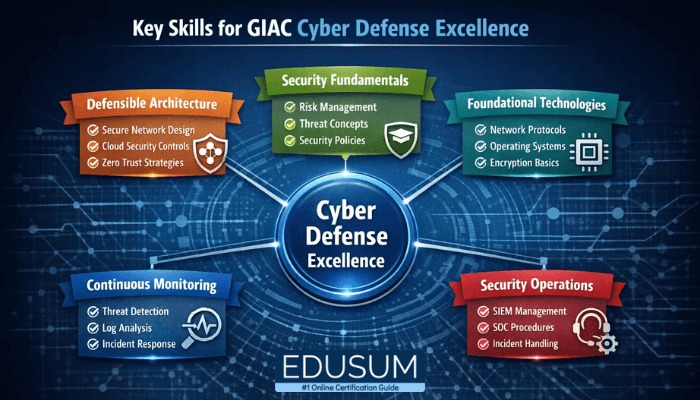
Modern cyber defense relies on a diverse range of specialized operations, from understanding foundational technologies to continuous monitoring and intelligence gathering. GIAC offers certifications like Foundational Cybersecurity Technologies (GFACT), Continuous Monitoring (GMON), Open-Source Intelligence (GOSI), Security Operations Certified (GSOC), and even Machine Learning in Cybersecurity (GMLE), each addressing a unique facet of defensive security operations. These credentials allow professionals to hone specific, in-demand skills.
GFACT Learning Paths
The GIAC GFACT Foundational Cybersecurity Technologies learning path is designed for individuals seeking to grasp the core technical components underpinning cybersecurity. This includes understanding how operating systems, networking protocols, and cloud environments function from a security perspective. GFACT lays the groundwork for more advanced technical certifications by ensuring a solid comprehension of fundamental digital infrastructure.
GMON Monitoring Best Practices
For organizations requiring proactive threat detection and compliance, the GIAC GMON Continuous Monitoring certification overview highlights the importance of real-time visibility into security events. GMON certified professionals learn to implement and manage continuous monitoring solutions, leveraging security information and event management (SIEM) systems to detect anomalies and respond to threats efficiently. This continuous vigilance is vital for maintaining a strong defensive posture against evolving cyber risks.
GSOC Online Training
Professionals involved in security operations centers (SOCs) will find the GIAC GSOC Security Operations Certified training online highly relevant. This certification focuses on the day-to-day responsibilities of a SOC analyst, including alert triage, incident escalation, and threat intelligence utilization. Effective online training programs provide the necessary theoretical knowledge and practical exercises to prepare individuals for the demanding environment of a modern SOC.
Optimizing Preparation: GIAC Cyber Defense Online Training Programs
Successful attainment of GIAC certifications often hinges on rigorous preparation, with many candidates turning to GIAC cyber defense online training programs. These platforms offer structured learning paths, access to expert instructors, and flexible scheduling, making them an ideal choice for busy professionals. Beyond official SANS courses, many reputable providers offer supplemental materials, labs, and practice exams designed to bolster understanding and readiness.
Choosing Quality Resources
When selecting preparation tools, prioritize those that offer comprehensive coverage of exam objectives, hands-on lab experiences, and realistic practice questions. A well-rounded study plan should integrate various resources to ensure a deep and practical understanding of the material, not just rote memorization. Many candidates also benefit from study groups or online forums to discuss complex topics and share insights. Leveraging comprehensive GIAC resources can help streamline your study efforts and improve your chances of success.
Mastering Practice Exams
Practice exams are indispensable for GIAC certification preparation. They familiarize you with the exam format, question types, and time constraints. Regularly taking practice tests helps you identify weak areas, improve your test-taking strategy, and build confidence. Platforms like Edusum offer tailored practice exams that reflect the difficulty and scope of actual GIAC tests, allowing candidates to gauge their readiness effectively before sitting for the real examination.
Frequently Asked Questions
1. How long does it typically take to prepare for a GIAC cyber defense certification?
-
Preparation time for a GIAC cyber defense certification varies significantly depending on the specific certification, your existing knowledge, and the intensity of your study schedule. For foundational exams like GSEC, it can range from a few weeks to several months. More advanced certifications, such as GCIH or GCIA, often require more extensive study, hands-on experience, and dedicated time commitment, potentially spanning multiple months or even longer.
2. Are GIAC certifications open-book exams?
-
Yes, most GIAC certification exams are open-book. This means candidates are allowed to reference hard-copy materials, such as course books, notes, and a self-created index during the exam. However, this does not make the exams easy; they are designed to test your understanding and ability to apply concepts under time pressure, not just your ability to look up answers. A well-prepared index is crucial for success.
3. What are the benefits of obtaining a GIAC cyber defense certification?
-
Obtaining a GIAC cyber defense certification offers numerous benefits, including enhanced career opportunities, increased earning potential, and global recognition as a skilled cybersecurity professional. These certifications validate practical, hands-on skills that are highly valued by employers. They demonstrate a commitment to continuous learning and provide a clear path for professional development in specialized areas of cyber defense.
4. Is SANS training mandatory to take a GIAC certification exam?
-
While SANS Institute training courses are highly recommended and widely considered the best preparation for GIAC certification exams, they are not strictly mandatory. Candidates can choose to pursue self-study or utilize other resources to prepare for the exams. However, the comprehensive nature and practical labs offered by SANS courses significantly increase a candidate's chances of success due to their direct alignment with exam objectives and real-world application.
5. How can I choose the best GIAC cyber defense certification for my career?
-
Choosing the best GIAC cyber defense certification for your career involves assessing your current skill set, your desired job roles, and your long-term career goals. Research the various GIAC certifications and their validated skills on the official GIAC website. Consider starting with foundational certifications like GSEC if you're new, or specializing in areas like incident response (GCIH), intrusion analysis (GCIA), or security architecture (GDSA) if you have specific expertise or career aspirations.
Conclusion
The array of GIAC cyber defense certifications provides a clear, recognized pathway for cybersecurity professionals to validate and advance their skills across a spectrum of critical domains. From foundational security principles with GSEC to advanced incident response with GCIH, enterprise defense with GCED, intrusion analysis with GCIA, and specialized operations, GIAC credentials signify a commitment to excellence and a high level of expertise. Equipping yourself with the right preparation tools, including official training, study guides, and diligent practice, is paramount to unlocking success in these challenging yet highly rewarding examinations.
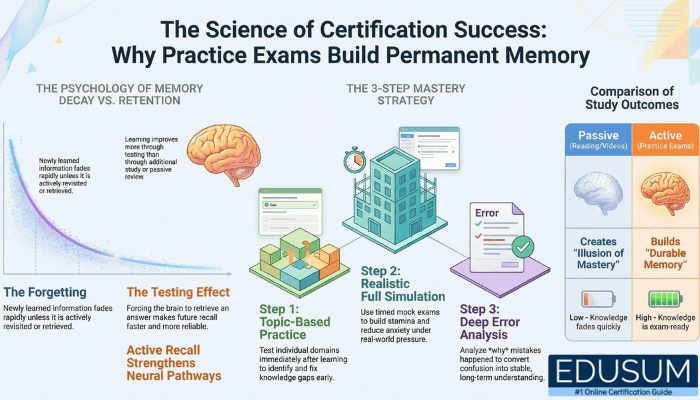
Embark on your GIAC certification journey with confidence by leveraging structured preparation resources and a disciplined approach. For insights into maximizing your learning and retention, explore effective learning strategies and discover how well-designed practice can enhance your certification readiness.
- GSEC |
- GIAC Certification |
- GCIA Quiz |
- GCIA |
- GCIH |
- GISF |
- GISF Practice Test |
- GIAC GCIH Questions |
- GCED Questions |
- GCED |
- GMLE |
- GIAC GMLE Question Bank |
- GDSA |
- GDSA Mock Exam |
- GSOC |
- GIAC GSOC Training |
- GMON |
- GMON Certification Cost |
- GDAT |
- GDAT Certification Mock Test |
- GFACT |
- GFACT Study Guide |
- GOSI |
- GOSI Syllabus


